


Accounting firms are facing growing pressure from changing client expectations, capacity constraints, talent shortages, and the increasing impact of automation and AI. In this episode of the CPA Talk Series, host Debbie Dane speaks with Heather Satterley, Director of Education and Media at Woodard, CPA, educator, and industry thought leader. Heather shares practical insights on leading teams through change, creating capacity within firms, and strengthening client relationships in a rapidly evolving profession.
Heather also discusses how pricing strategies, process improvement, client fit, and documented workflows can help firms reduce bottlenecks and improve efficiency. Drawing on her experience working with accounting professionals across the industry, she offers valuable perspectives on building stronger teams, making the most of outsourcing and automation, and developing the advisory and relationship-building skills that will be increasingly important in the years ahead.
Don’t miss Leading Through Change: Building Future-Ready Accounting Firms
Voices Behind the Vision: Meet Our Host and Guest
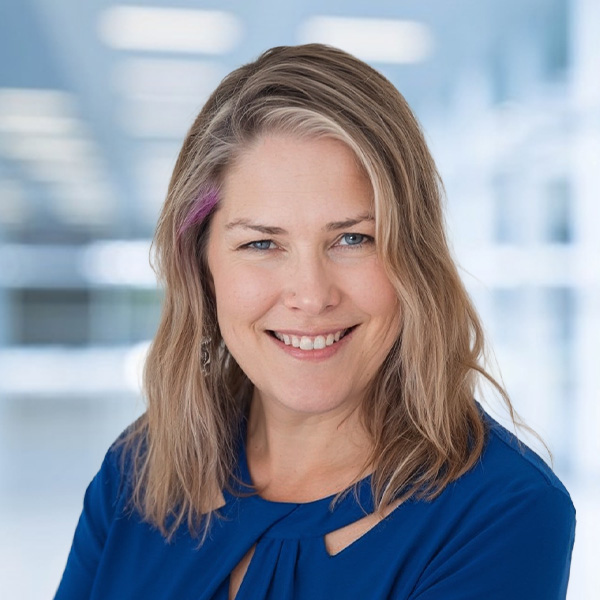
Heather Satterley is the Director of Education and Media at Woodard, where she works closely with accounting professionals to help firms improve operations, adopt technology, and build sustainable growth strategies. With a background in public accounting and extensive experience in cloud accounting, workflow optimization, and practice management, Heather has become a respected educator, speaker, and advisor within the profession.
Through educational programs, industry events, coaching initiatives, and thought leadership, she helps firms strengthen processes, expand advisory capabilities, and prepare for the evolving demands of the accounting industry. Known for her practical and people-focused approach, Heather brings valuable insights on leadership, team development, technology adoption, and the future of accounting.
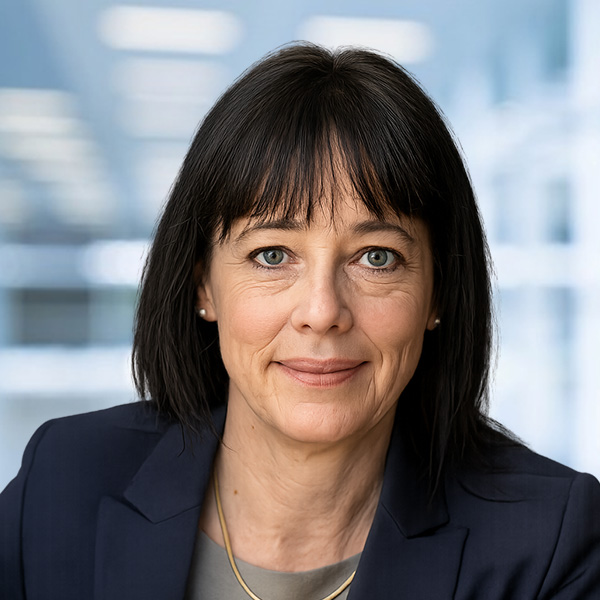
Debbie Dane
CPA, CGA
Debbie Dane is Vice President, Strategic Account Management at Datamatics Business Solutions and a seasoned accounting professional with more than 30 years of experience in public practice. Throughout her career, she has worked with private enterprises, individuals, trusts, and foundations, specializing in accounting, tax compliance, client advisory, and practice management.
Today, Debbie works closely with CPA firms to help improve capacity, enhance client service, and optimize operations through strategic outsourcing solutions. In addition to hosting the CPA Talk Series, she regularly shares her insights through industry discussions, thought leadership, and speaking engagements, helping accounting professionals stay informed and prepared for the future of the profession.
Heather:
If your prices are higher and you have fewer clients, it gives you that capacity to lean in and be proactive and really become that advisor to your clients, which is what they want.
Debbie:
Hi, everyone, and welcome back to the CPA Talk Series. I’m Debbie Dane, and today’s conversation focuses on something every accounting firm is navigating right now: constant change.
We’re certainly not strangers to change, but the pace of the change we’re seeing today is staggering. From new technologies to capacity challenges and evolving client expectations, firm leaders are being asked to rethink not just what they do, but how they operate.
Joining me today to discuss her insights into this subject is Heather Satterley, Director of Education and Media at Woodard. She’s also a CPA, an educator, and a prominent voice helping firms embrace modern workflows, automation, and sustainable growth.
Heather works closely with accounting professionals through educational programs, community initiatives, and industry conversations, giving her a unique perspective on how firms are evolving in real time.
Heather, welcome, and thank you for joining us today.
Heather:
Thanks, Debbie. I’m happy to be here. Excited for our conversation.
Debbie:
Yeah, I know. I think this is a really timely conversation we’re having right now with all the change.
Through your connections with firms at many stages of transformation, I’m sure you’ve seen leaders navigating change from many different angles.
I’m wondering, when everything in the profession feels like it’s evolving at once, technology, talent expectations, client demands, what does real ownership look like from firms today?
Heather:
So by ownership, I’m assuming you mean actually leaning into the issues and leading their teams. Making sure that’s okay.
Yes. First of all, I think the thing that really makes a huge difference is focusing on the people.
Focusing on the people before we’re looking outside at things like technology and changing regulations is making sure that the people are doing okay.
I know that sounds strange, but when we’re going through constant change, our gut reaction is to freeze. We go into that fight-or-flight response. We want to stick with the status quo.
Whenever a human is asked to step outside of that or approach something new, there’s a natural anxiety around it.
The leaders that are really doing a great job with this are the ones that are leaning into their people and listening and empathizing and understanding where their people are coming from.
Those are the ones that are doing a really great job because I think you have to connect on that personal level before you can make any change or help someone through change.
Debbie:
Yeah, I totally agree with you there.
It’s definitely the people and getting a clear vision, listening to them, understanding what their wants and needs are, where they want to go, and really aligning the direction of the firm to encompass all of that.
Thank you for that.
It does seem that firms strategically know where they want to go: more advisory work, better systems, and a stronger client experience. But capacity really becomes a constraint with all this change.
From your perspective, how do the best leaders recognize when it’s time to redesign how work flows through the firm instead of just asking their teams to dig in and do more on top of their regular job?
I’d love to hear your perspective on that.
Heather:
Yeah, so I think it’s a couple of things.
I think the most important thing is keeping your ear to the ground, not just internally but also externally, to understand what the market needs, what our clients need, what the economy is doing, and how we can really help our clients by meeting them where they are.
On an internal level, it is making sure that team members are aligned with the strategy of the firm and that everybody is aligned on that vision, mission, and purpose of what they’re doing.
Once everybody’s on the same page and understands what the goals are, it’s starting to drill down into what needs to be addressed first to provide excellence to your clients and help alleviate any bottlenecks that might be happening within the organization.
Trying to write a single prescription for everything never works. It’s really looking at the people, the processes, and the price.
I don’t want to forget that piece of it because what that allows us to do is see where the real issues are that are causing a bottleneck and that never-ending rat race within the firm.
One of the things that’s really surprising, and that we focus on a lot at Woodard, is pricing.
When we are in a situation where we have more demand than supply within our firms, economic principles tell us that we need to increase our prices in order to offset that.
That’s the first thing we say firms should be doing: looking at their pricing.
It’s the first thing you can do because your clients that maybe aren’t ideal clients can self-select out, which can help alleviate that bottleneck without reducing income or profitability for the firm.
That’s one place we suggest people look.
As far as automation goes, it’s not just one prescription for all problems.
In some cases, once you’re looking at these challenges, it could be a technology issue where you need a new piece of technology to streamline a process that will free up your team to focus on more value-added activities.
In other cases, it’s simply a matter of needing more people to help you scale and meet the goals of your firm.
Debbie:
Yeah, and pricing has always been a stickler with CPA firms. They’re very hesitant to raise prices and let go of clients.
Sometimes it is hard for CPAs to let go a little bit.
I think more and more we’re seeing firms embrace that as well, making sure that you have your ideal client and that your staff is working with those clients and getting more involved on a day-to-day basis as opposed to working on compliance and reaching out to them once a year.
Once you can slim down your processes and workflows, you are able to reach out to your clients in a more timely manner and have a call with them when they’re not expecting it.
It brings up bandwidth for everyone.
Thank you.
Heather:
It really does.
If your prices are higher and you have fewer clients, it gives you that capacity to lean in and be proactive and really become that advisor to your clients, which is what they want.
Once you start doing that, it’s interesting because the conversations we see with clients show that they’re more than willing to pay if you’re bringing that level of service.
You have to have the capacity in order to do that.
We have a process that our coaching clients go through where they grade their clients to see exactly which clients are ideal and are actually driving revenue for the firm.
Bottom-line revenue, not top-line revenue. That’s what really matters.
Are they enjoyable to work with, and are they aligned with the culture of the firm?
Those are the main components.
Once they figure out which clients meet those attributes, they can start looking for more of those clients and start letting go of the ones that don’t.
We can rehome them, as we like to say.
Debbie:
Exactly. Client fit is definitely something that I think a lot of firms are working on, looking at those clients and finding those niche services that their staff skill sets naturally lean into.
It makes everybody happy. I think the more enjoyable work is, the more opportunities you have.
Accountants aren’t just back-office bookkeepers who stay in their cubicles all day. We’re actually real people with real relationships with our clients. That’s something we really want to emphasize.
I think there’s a lot of movement in the market and a lot of growth. Everybody’s looking for growth. But many firms still rely on the old-school busy-season heroics to get through these growth periods, really squeezing the staff to do more.
That causes some long-term strain, work-life balance issues, and all kinds of challenges.
I’m wondering, how important is it for firms to shift from personally driven success, where individuals carry the load, toward systems and workflows that make top performance sustainable?
Heather:
Gosh, that is so key to scalability within a firm, team satisfaction, and client satisfaction. I think they’re all intertwined.
Having a set process for anything, having an SOP, and knowing exactly what you’re supposed to do gives confidence. It builds confidence, streamlines your processes, and provides stability and consistency across your firm.
I think making sure you’ve documented your processes, democratized your processes, and given your team the skills to handle those types of situations autonomously is really key to helping things go a little smoother.
I’m working with a coaching client right now, and they have 5,000 tax clients. They’re a small team, believe it or not.
One of the things we’ve been working on is that the partners within the organization were always getting pulled into situations with clients. Clients were pushing back on providing documentation or making demands, and the team members didn’t feel equipped to handle those conversations.
As a result, they became the bottleneck.
One of the places we focused first was figuring out how to give those team members what they need to be confident enough to handle those situations on their own.
That includes implementing things like a sales sheet for a client that goes out of scope that says, “Here’s the services that we offer, here’s the client fit, and here’s what you should say if the client asks this question or this situation comes up.”
That way it doesn’t get kicked back to the firm leaders.
That’s something people think they don’t have time to do, but in my opinion, you don’t have time not to do it.
Debbie:
Exactly. Especially when you’re dealing with clients, you want to be professional and get the right answer.
Sometimes the staff doesn’t really know where to go or what kind of answers they should be giving, so having some direction helps.
Of course, it can make them feel uncomfortable too. Everybody wants to do a good job, manage clients effectively, and have happy clients.
Having those SOPs for situations like that is reassuring for everybody. It builds trust in the organization and with the client.
They can be themselves with the client as well, rather than hiding things or trying to make things up on the fly.
That’s great.
Heather:
It also improves the confidence of that team member because they feel empowered to handle the situation.
Before, they would have to say, “I’ll have to get back to you,” or “I need to go check with my supervisor.”
It empowers them to be more autonomous, which leads to a more satisfied team member.
There’s a great book called The Checklist Manifesto. Gawande is the author’s last name. The first name isn’t coming to my brain at the moment, but it’s a great book.
What he talks about is the fact that we create checklists for when things go out of process.
One of the examples he uses is the medical field, where they have checklists in the operating room. They’re checking the ID on somebody’s wristband, making sure the proper instruments are there, checking power sources, and verifying all of those details.
The checklists aren’t necessarily there to tell people what they should do. They’re there so people know what to do when things go wrong.
That’s really why we need those SOPs and why we need to empower our team members.
That’s where you feel helpless. When something goes wrong and you don’t know what to do, having those instructions can really help.
Debbie:
Heather, I think firms are really rethinking their operating model. That’s one of the things we’re seeing a lot of today.
They’re exploring different ways to structure capacity. We’ve got some heavy busy seasons, as we all know, and firms are looking at automation, collaboration, and external support.
When firms do consider offshore or outsourcing support, what separates partnerships that truly work from those that create more complexity and, frankly, chaos?
Can you give us some insight into that?
Heather:
Sure.
What I keep hearing from the firms I work with is the importance of making sure that the outsourcing or offshoring team members are treated like team members.
They’re brought into your team, they’re treated like the same team members who are in your physical office, and they’re pulled into your firm culture.
That’s really what people are saying is bringing success. That’s the key differentiator.
The other differentiator is the processes we’ve been talking about, which has really been the theme of our conversation.
Debbie:
None of it works if you don’t have processes.
Heather
That’s right. You’ve got to know what you do before you can start to improve what you do.
Debbie:
Exactly.
You mentioned being part of the team and seeing them as part of the team rather than as some outside body. I think that’s a really good point.
Another thing that comes to mind is having a clear goal and a clear understanding of what the outsourced team is going to do.
The people onshore within your own staff are going to be dealing with them and talking with them as well, so having buy-in from the internal team is important.
Those folks need to understand that the outsourcing team is there to help.
Work-life balance is huge, and it’s something that traditionally you really didn’t see in a CPA firm.
I always said that the reward for doing good work is more work.
When you have the highest chargeable hours in the firm, after a couple of years of that it’s time to move on.
The idea is that the outsourcing team is there to make everybody’s life better, support clients, get jobs done, and create opportunities for existing staff.
Communicating those benefits to staff is really important as well.
As firms go through the decision-making process around offshoring, what are some of the things leaders should clarify internally before making that decision regarding external support?
Heather:
There are lots of different things to consider.
One of the big ones in the U.S. is tax. If you’re offshoring tax work, there are additional requirements we have in the U.S., so that’s something to think about.
I’m not saying it’s not doable. It absolutely is. Lots of firms are using offshoring for tax work and getting great results.
But that’s one thing to consider.
I’ve known firms where it was a non-starter because of the way they wanted to handle tax within their organization, and I’ve had others that had no problem with it at all.
I also think it’s important to look at the staffing market and what’s happening locally.
We know we have a staffing crisis here in the U.S. Finding qualified practitioners who know how to do the work and use the technology is really difficult right now, especially at the manager level.
One of the great things about offshoring is that they have resources at that level.
They’re usually CPA-certified, often have master’s degrees and bachelor’s degrees, and they’re very well educated and experienced.
One of the nice things about offshoring is that you can typically get someone in place rather quickly.
As long as your processes are documented and ready to go, they’re very adaptable.
Debbie:
Yeah. They seem to adapt more quickly than some of our regular onshore staff.
You mentioned the staffing challenges, especially in the U.S., and we’ve been seeing that for a couple of years.
It’s interesting that it’s now at the manager level. A couple of years ago it was at the student level, trying to get new recruits in.
That bottleneck has moved up the ladder because you didn’t have those juniors coming in and progressing.
Now there’s a real need for senior accountants and managers, and you’re seeing a bottleneck there.
You also see it during busy season when firms face a capacity crunch.
Many outsourcing firms have models where they can help you scale up quickly and support you during those high-capacity months.
Imagine having a firm where people aren’t coming into the office on Saturdays and Sundays to get returns out because those returns are being handled elsewhere.
People can take a breather, sit back, and reflect instead of going home and remembering something they forgot to do.
You participate in a lot of conversations with firm owners, educators, and technology leaders, so you probably have one of the clearest views of where our profession is heading.
As you look into your crystal ball, do you believe the most successful firms will be defined more by who they hire or by how intentionally they design workflows, learning cultures, and partnerships across their organizations?
Heather:
Interesting question.
I think it’s going to be a combination of both.
With the rapid adoption and development of artificial intelligence, our profession is poised to be completely redefined.
The advisory and people skills, the ability to have conversations and build relationships with clients, are going to be among the most valuable skills we have.
I believe that in the next five years, the bulk of the data-entry work and number crunching accountants do will be done by machines and overseen by humans.
The relationships are what’s going to set us apart.
I think firms need to stay abreast of new technology, artificial intelligence, what’s available, and how firms are adopting it.
Then they need to focus on helping their teams develop interpersonal relationship skills and advisory skills.
Debbie:
I remember when I started and walked into my first CPA firm. What really amazed me was watching someone work an adding machine so quickly.
I thought, “That person must be really good. Look at them go.”
But now the machines are taking over that part.
So it really is about the soft skills.
That’s where a firm that partners with an outsourcing provider can free up time to educate staff.
We have young people today who are attached to their phones and comfortable with messaging and emails, but they also need those soft skills and the ability to talk to clients, connect with people, and have engaging conversations.
That leads to more cohesiveness across teams, with clients, and throughout the firm.
With workflows, I think everybody is looking at them right now. If you’re not, you might still be operating a paper office.
That’s where people are saving a lot of time, by examining workflows, automating processes, and creating seamless handoffs from one person to the next.
That’s really interesting.
But as you’re designing workflows, you have to keep the people in mind.
We’re not robots.
Heather:
For sure.
Debbie:
If you were advising firm leaders who want to move from simply managing work to intentionally designing modern, future-ready firms, what’s the one mindset shift or habit you would encourage them to start practicing immediately?
Heather:
I would say create a team that’s responsible for innovation within the firm.
It can be a team of one if you’re a solo practitioner.
Have that team meet regularly to look at emerging technologies, identify trends they’re seeing, and inform the rest of the firm about ways to streamline workflows even further so they can focus more on advisory relationships.
Debbie:
Yeah, and we’re circling back to advisory relationships again.
Accounting used to be all about the numbers. It’s changing to be more about relationships and knowledge.
We carry a lot of knowledge. We can read reports, interpret them, and pass that knowledge on to our clients and our staff.
I think it’s always been a learning profession in the CPA world.
Well, Heather, thank you so much for this incredibly insightful conversation. Thank you for sharing your perspective and for the work you do helping firms navigate change with clarity and confidence.
And to everyone listening, thank you for joining the CPA Talk Series.
If you’ve enjoyed today’s episode, be sure to follow us for more conversations with leaders shaping the future of the profession.
Thank you.